
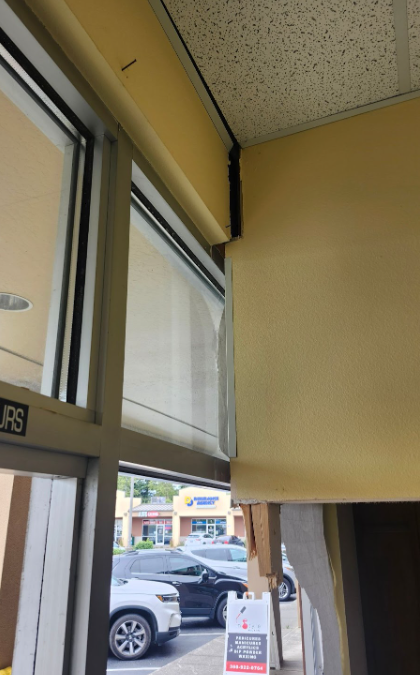
Retail storefront doors work harder than almost any other door in a commercial building. Customers enter constantly throughout the day. Delivery teams push carts through the entrance. Employees open and close the door hundreds of times during a shift.
Over time, that constant movement begins to wear down hardware and alignment. Eventually, many businesses require storefront glass door repair to keep their entrances functioning safely and securely.
For retail properties in Bellingham, Washington, weather conditions add another layer of stress. Moisture, temperature changes and coastal air accelerate wear on storefront door components.
Understanding why storefront glass doors fail in high traffic retail locations helps business owners identify problems early and avoid costly downtime.
Why Retail Storefront Doors Experience More Wear
Retail entrances operate very differently from doors in offices or warehouses.
Typical retail storefront doors experience:
- hundreds of customer visits per day
- frequent delivery traffic
- extended opening hours
- heavy glass door weight
A busy storefront entrance can open and close thousands of times each week.
Even well-built aluminium storefront systems eventually develop wear in moving parts.
When one component weakens, the entire door system begins to operate poorly.
Most Common Causes of Storefront Glass Door Failure
Worn Door Closers
Door closers regulate how quickly the door shuts and ensure it latches securely.
In high-traffic retail environments, the closer experiences constant strain.
Over time, internal hydraulic components begin to fail.
Signs of closer problems include:
- doors slamming shut
- doors closing too slowly
- doors stopping halfway
- doors failing to latch
Once hydraulic seals wear out, fluid may leak from the closer body. When this occurs, replacement is usually required.
Pivot and Hinge Wear
Glass storefront doors are heavy. Many systems rely on pivot hardware rather than traditional hinges.
Years of repeated use gradually weaken pivot components.
Common signs include:
- scraping sounds during operation
- uneven spacing around the frame
- doors that appear to sag
When pivots wear down, the door shifts slightly within the frame. This misalignment affects locks and latch engagement.
Early repair prevents additional damage to the frame or glass.
Frame Alignment Issues
Even minor structural shifts can affect how a storefront door operates.
Frame misalignment may occur due to:
- building settlement
- loose anchor points
- heavy impact from carts or equipment
- worn pivot hardware
When the door frame moves slightly, the latch may no longer align with the strike plate.
Professional storefront glass door repair usually begins with measuring alignment and adjusting the door within the frame.
Lock and Latch Problems
Retail entrances must secure properly after closing hours. Lock failures create both security and liability risks.
High usage and environmental exposure can cause:
- worn lock cylinders
- corroded latch mechanisms
- misaligned strike plates
If locks become difficult to operate or fail to secure the door completely, the entire door system should be inspected.
Businesses experiencing these issues can explore professional commercial door repair services for a full assessment.
Glass Panel Movement
Tempered glass panels are typically secured tightly inside aluminium storefront frames.
However, years of vibration and traffic can loosen glazing components.
Warning signs include:
- rattling glass panels
- visible movement in the door
- small gaps around the glass
Loose glass panels create safety risks and should be repaired quickly.
How Weather in Bellingham Affects Storefront Glass Doors
Businesses in Bellingham, WA face environmental conditions that accelerate wear on commercial door systems.
Moisture exposure can cause:
- corrosion in hinges and pivots
- deterioration of hydraulic door closers
- corrosion in lock cylinders
Seasonal temperature changes also cause materials to expand and contract slightly.
Over time, these small shifts affect door alignment and hardware performance.
Routine maintenance helps prevent weather-related damage from becoming major repairs.
When Businesses Should Schedule Storefront Glass Door Repair
Some storefront door issues should never be ignored.
Business owners should schedule professional repair if they notice:
- doors that will not close completely
- entrances that fail to latch securely
- scraping sounds during operation
- loose or unstable glass panels
Retail entrances play a critical role in both security and customer safety.
If problems appear, scheduling service early prevents more extensive repairs later.
Businesses can request inspection through the NW Door Pro quote page.
Can Storefront Glass Doors Be Repaired Instead of Replaced?
In most situations, repair is the most cost effective solution.
Common storefront door repairs include:
- replacing worn door closers
- installing new pivot hardware
- realigning the door within the frame
- repairing lock cylinders and strike plates
Complete replacement is usually only necessary when:
- the aluminium frame is severely damaged
- the glass panel has structural damage
- the door system has been compromised beyond repair
A professional inspection determines the best solution.
Safety and Accessibility Requirements for Storefront Doors
Commercial entrance doors must meet accessibility and safety standards.
Doors should:
- open with reasonable force
- close at a controlled speed
- allow safe exit during emergencies
Accessibility requirements are outlined by the U.S. Department of Justice ADA accessibility guidelines.
Life safety exit standards are maintained by the National Fire Protection Association (NFPA) life safety codes and standards.
Proper storefront door repair ensures commercial entrances remain compliant with these regulations.
Preventive Maintenance Tips for Retail Storefront Doors
Routine inspection helps businesses avoid emergency repairs.
Property managers should periodically check:
- door closer tension
- pivot hardware stability
- strike plate alignment
- lock cylinder performance
- glass panel stability
Pro tip: If a storefront door begins sticking or making grinding noises, schedule service immediately. Early repairs are far less expensive than structural damage.
Frequently Asked Questions
Why do storefront glass doors stop closing properly?
Most closing issues result from worn door closers, hinge sag or strike plate misalignment caused by heavy daily traffic.
Can a sagging storefront door be repaired?
Yes. In many cases, replacing pivot hardware or hinges restores alignment without replacing the entire door.
How often should storefront doors be inspected?
High traffic retail entrances should be inspected annually. Extremely busy locations may benefit from more frequent maintenance.
Is storefront glass door repair expensive?
Minor repairs such as closer replacement or alignment adjustments are usually affordable compared to full door replacement.
Local Storefront Glass Door Repair in Bellingham, WA
Retail entrances must operate smoothly to maintain security, safety and a positive customer experience.
When storefront doors begin sticking, sagging or failing to latch properly, professional repair restores reliable operation.
NW Door Pro works with commercial property owners, retail businesses and property managers across Bellingham and surrounding areas to repair storefront door systems quickly and effectively.
If your entrance is showing signs of wear, scheduling inspection early can prevent more extensive repairs.
Conclusion
Storefront glass doors endure constant use in busy retail environments. Over time, hinges wear down, closers fail and alignment shifts.
Ignoring these early warning signs often leads to larger repair costs and security risks.
Professional storefront glass door repair ensures commercial entrances remain safe, compliant and fully functional.
For businesses operating in Bellingham, Washington, maintaining storefront doors is an important step in protecting both customers and property.